

Best Trail Running Shoes 2026: Top Picks for Every Trail
Ever rolled an ankle mid-trail because your shoes just weren’t built for the terrain? Yeah, same. Trail running isn’t like pounding pavement — one minute you’re on loose gravel, the next you’re scrambling over roots and rocks, and your shoes need to keep up with all of it. The wrong pair means slipping, blisters, or worse, an injury that sidelines you for weeks.
So what are the best trail running shoes, really? Honestly, it depends on where you run and what you need — grip, cushion, durability, all that stuff matters differently for everyone. That’s exactly what this guide is here to sort out. We’re covering our top overall picks, the best options specifically for men, a few budget-friendly choices that won’t wreck your wallet, and everything in between.
By the end, you’ll know exactly which pair fits your trail (and your feet) best.
What Makes the Best Trail Running Shoes Different?
Trail shoes and regular running shoes might look similar, but they’re built for totally different jobs. Road shoes are made for smooth, predictable surfaces. Trail shoes have to deal with mud, rocks, roots, water, and whatever else the trail throws at you.
The biggest difference is the outsole. Trail shoes usually have deeper lugs (those little bumps on the bottom) that dig into loose dirt and grip wet rocks so you’re not sliding all over the place. Regular running shoes just don’t have that kind of traction.
Then there’s protection. A lot of trail shoes come with a rock plate — basically a thin, stiff layer in the midsole that stops sharp stones from jabbing into your foot. Some also have reinforced toe caps because, let’s be honest, you’re going to kick a rock eventually.
Stability matters more too. Trails are uneven, so trail shoes tend to sit lower to the ground and offer a wider base to help you stay balanced when the ground isn’t cooperating.
How We Chose the Best Trail Running Shoes
We didn’t just pick shoes because they looked cool or had a big brand name on them. Here’s what actually went into the list:
1. Traction: We looked at the lug pattern and outsole rubber on each shoe — because if it can’t grip wet rocks or loose dirt, it doesn’t matter how comfy it is.
2. Cushioning: Too soft and you lose ground feel, too firm and your feet are wrecked after ten miles. We looked for that sweet spot.
3. Durability: Trails are rough, so we checked how well each shoe holds up to abrasion, mud, and general beating.
4. Weight: Nobody wants to feel like they’re dragging bricks on a long run, so lighter (without sacrificing protection) mattered.
5. Waterproofing: Some runners need it, some don’t — so we included options both ways.
6. Price: Because not everyone wants to drop $180 on shoes, we made sure budget picks made the cut too.
| Also Read: If you’re more of a pavement runner, check out our guide on the best road running shoes for men instead. |
Best Trail Running Shoes 2026 — Top Overall Picks
These are what we’d call the best trail running shoes 2026 has to offer if you want something solid without spending forever comparing specs. We tested/reviewed a mix of price points here — because honestly, that’s what most people want to know: what are the best trail running shoes without breaking the bank.
1. Puma Mens Galaxis Pro Running Shoe
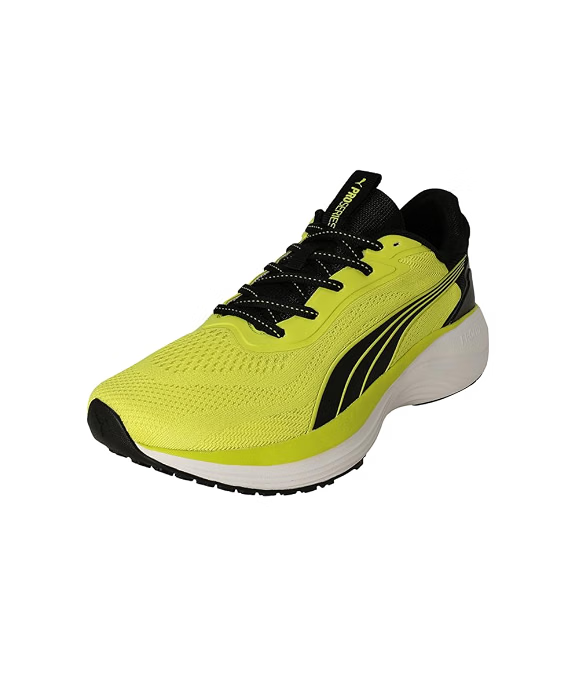
This one’s a solid pick if you want cushioning that actually holds up over longer runs. It’s not the grippiest on wet rocks, but on dry trails and mixed terrain, it performs really well and feels comfortable straight out of the box.
Key Specs
- Lightweight mesh upper
- EVA midsole cushioning
- Durable rubber outsole
Pros: Comfortable fit, good cushioning, breathable
Cons: Not ideal for muddy/wet trails, sizing runs slightly small
Price Range: ₹2,500–₹2,700
2. ASIAN Wonder-13 Men’s Running Shoe

If you’re on a tight budget and just need something functional for light trails, this works fine. It’s not going to survive rough technical terrain, but for casual jogs on packed dirt paths, it does the job.
Key Specs
- Synthetic upper
- Basic EVA sole
- Lace-up closure
Pros: Super affordable, lightweight, decent grip on flat trails
Cons: Low durability, minimal cushioning, not for technical trails
Price Range: ₹550–₹650
3. Ozark Trail Running Shoes for Men

This one actually earns its “trail” name — decent lugs, sturdy build, and it holds up okay when things get a little rocky. If you’re after one of the best trail running shoes for men in this price bracket, this is worth a look.
Key Specs
- Multi-directional lug outsole
- Cushioned insole
- Reinforced toe area
Pros: Good grip, solid protection, reasonable price
Cons: Slightly heavy, breathability could be better
Price Range: ₹1,300–₹1,450
4. Nivia Marathon Running Shoes for Men

More of an all-rounder than a hardcore trail shoe, but it handles light-to-moderate trails without issue. Comfortable for daily runs and doesn’t feel stiff even after a few hours of use.
Key Specs
- Breathable mesh upper
- Shock-absorbing sole
- Flexible outsole
Pros: Comfortable, budget-friendly, decent everyday use
Cons: Limited traction on wet/muddy surfaces, average durability
Price Range: ₹1,050–₹1,200
5. Asics Men Gel-Venture 9 Running Shoe
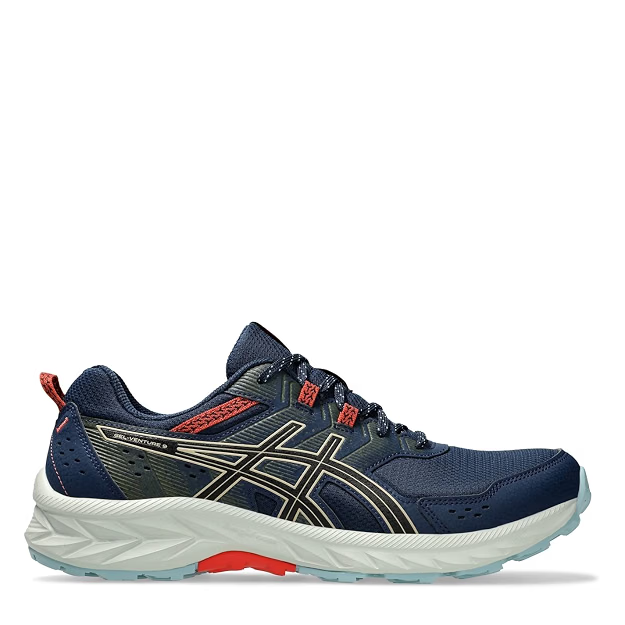
This is one of the best trail running shoes if you want proper gel cushioning and reliable outsole grip. Asics knows what they’re doing here — it handles gravel, dirt, and light rocky patches pretty confidently.
Key Specs
- GEL cushioning system
- Trail-specific rubber outsole
- Reinforced mesh upper
Pros: Excellent cushioning, reliable traction, trusted brand quality
Cons: Pricier than most on this list, slightly narrow fit
Price Range: ₹2,900–₹3,100
6. Campus Men’s STRUT Running Shoes
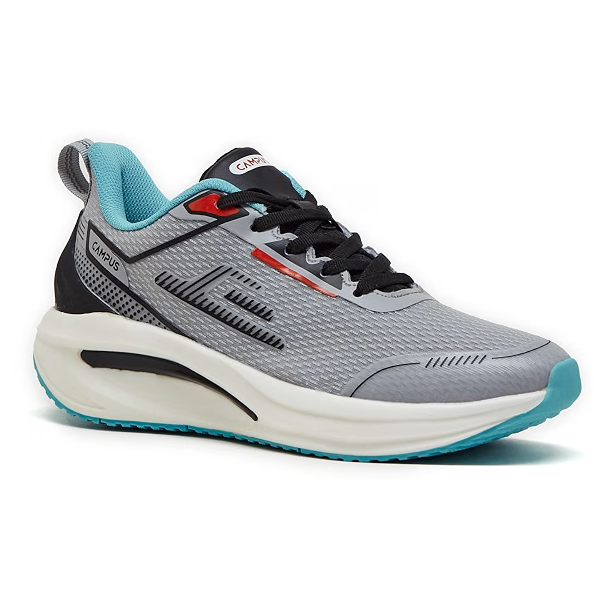
A decent everyday trail shoe that doesn’t try to overpromise. It’s comfortable for shorter runs and casual trail walks, though it’s not built for anything too technical or long-distance.
Key Specs
- Cushioned midsole
- Textile upper
- Non-slip rubber sole
Pros: Comfortable, affordable, lightweight
Cons: Not great for long distances, average grip on loose terrain
Price Range: ₹1,150–₹1,300
7. Bacca Bucci TrekZON Men’s Outdoor Trekking & Trail Running Shoes

This one leans more rugged, and honestly, if you want the best trail running shoes for men who tackle actual rough terrain — mud, rocks, uneven paths — this is a strong contender. Feels sturdy without being clunky.
Key Specs
- Deep-lug outsole for grip
- Water-resistant upper
- Ankle support design
Pros: Great traction, tough build, good ankle support
Cons: A bit heavier, break-in period needed
Price Range: ₹2,100–₹2,300
8. Red Tape Ozark Blue Trail Running Shoes for Men

A comfortable mid-range option that handles light trail work well. If you’re wondering what are the best trail running shoes for casual weekend hikes or jogs, this fits the bill nicely without costing too much.
Key Specs
- Textured rubber outsole
- Cushioned footbed
- Breathable synthetic upper
Pros: Comfortable, good value, stylish design
Cons: Not suited for heavy technical trails, moderate durability
Price Range: ₹1,500–₹1,700
9. Reebok Men’s Running Shoes

More of a hybrid shoe — works for road and light trail use. If you’re after the best trail running shoes but also want something you can wear daily without it looking too “outdoorsy,” this checks that box.
Key Specs
- Lightweight cushioning
- Breathable knit upper
- Durable outsole grip
Pros: Versatile, comfortable, stylish for daily wear
Cons: Limited trail-specific grip, not for muddy/rocky terrain
Price Range: ₹2,500–₹2,750
| You can grab these best trail running shoes on Amazon if you want it delivered straight to your door. |
What to Look for When Buying Trail Running Shoes
Before you just grab whatever’s on sale, here’s what actually matters:
Grip/Outsole: Check the lug depth and pattern. Deeper lugs = better grip on mud and loose dirt, but they can feel weird on hard pavement. Match it to where you actually run.
Cushioning: More cushion feels great for long runs but can make you feel disconnected from the ground. Less cushion gives better “feel” but tires your feet faster. It’s a trade-off, honestly.
Waterproofing: If you’re running in rain or through streams, get something waterproof or at least water-resistant. If not, breathable mesh is comfier and dries faster anyway.
Fit and Sizing: Trail shoes often run a little different from road shoes. Go slightly roomier in the toe box — your feet swell on longer runs, and you don’t want them cramped.
Weight: Lighter shoes feel faster, but sometimes that means less protection. Depends what you’re prioritizing.
Best Trail Running Shoes vs Road Running Shoes
People ask this a lot, so let’s clear it up:
Terrain purpose: Road shoes are made for flat, predictable surfaces like pavement or treadmills. Trail shoes are built for messy, unpredictable ground — rocks, roots, mud, all of it. Using one for the other’s job just doesn’t work well.
Outsole grip: Road shoes have smooth, low-profile soles since there’s nothing to “dig into.” Trail shoes have deep lugs specifically designed to grab loose or wet surfaces so you don’t slip.
Cushioning style: Road shoes usually have more consistent, springy cushioning for repetitive pavement pounding. Trail shoes often balance cushioning with ground feel, so you can sense what’s under your feet — important when the terrain keeps changing.
Durability: Trail shoes are built tougher overall — reinforced uppers, rock plates, sturdier stitching — because trails are just rougher on shoes than city streets.
Stability: Trail shoes tend to sit lower and wider for better balance on uneven ground. Road shoes don’t really need that since the surface is flat.
Final Words
So yeah, that’s pretty much the rundown. Picking the best trail running shoes really comes down to knowing where you run and what you actually need — grip, cushioning, protection, or just something that won’t fall apart after a few muddy runs.
If you want our honest pick, the Asics Gel-Venture 9 stands out as one of the best trail running shoes overall, thanks to its cushioning and reliable grip. But if you’re watching your budget, the Ozark Trail or Red Tape options are solid without costing a fortune.
At the end of the day, there’s no single “best” shoe for everyone — it depends on your trails, your pace, and your feet. Try a few, see what feels right, and go run something a little muddy.
FAQs
1. What are the best trail running shoes for beginners?
Look for cushioned, grippy shoes with good ankle support. Options like Nivia Marathon or Campus STRUT work well since they’re comfortable and budget-friendly for new trail runners.
2. Are trail running shoes different from regular running shoes?
Yes, trail shoes have deeper lugs for grip, sturdier builds, and rock plates for protection. Road shoes are smoother and lighter, made for flat, predictable surfaces only.
3. How often should I replace trail running shoes?
Most trail running shoes last around 300-500 miles depending on terrain and usage. Watch for worn-out lugs, reduced cushioning, or discomfort as signs it’s replacement time.