
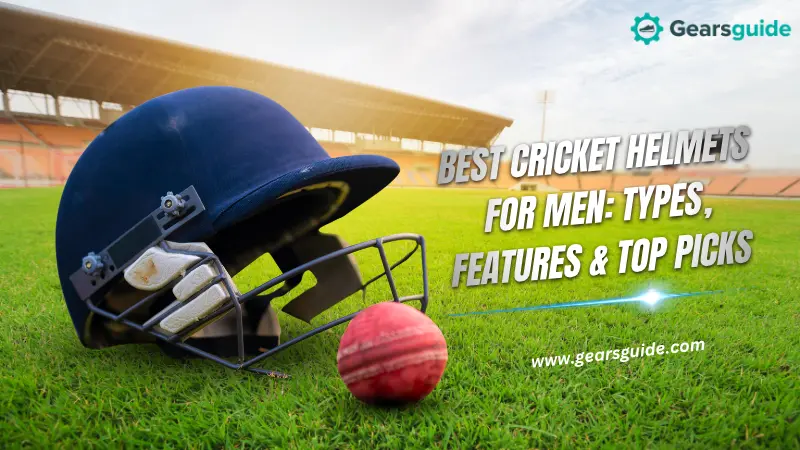
Best Cricket Helmets for Men: Types, Features & Top Picks
Cricket has evolved dramatically over the last few decades. Modern bats are more powerful, pitches can be unpredictable, and bowlers regularly generate speeds exceeding 140 km/h. Because of these changes, a cricket helmet is no longer just an optional accessory; it has become an essential piece of protective equipment. Whether you’re a beginner playing weekend matches or a serious club cricketer, protecting your head should always be a top priority.
A cricket ball is hard, heavy, and at high speeds, it can cause serious damage — we’re talking concussions, facial fractures, or worse. No innings is worth that risk. In this guide, we’ve covered everything you need to know about cricket helmets for men — the different types available, the key features to look for, our top picks for 2026, and some practical buying tips to help you make the right call without any confusion.
Why Cricket Helmets for Men Are Essential
Let’s be honest — a lot of guys don’t think about helmets until they actually need one. Here’s why that mindset needs to change.
1. Head Protection Saves Lives: A cricket ball travelling at 140+ km/h hitting your head without protection is genuinely dangerous. Studies show that helmets can reduce head injury risk by up to 70% — that’s not a small number. Head injuries are one of the most common types in cricket, and a good helmet is honestly your first line of defence.
2. Confidence at the Crease: There’s also a mental side to this. When you’re wearing a helmet you trust, you bat differently. You’re not flinching at bouncers or second-guessing yourself — you’re actually focusing on the ball. That confidence alone can seriously improve your game.
3. Safety Standards Matter: When buying, always check for BS7928:2013 certification. This is the standard that the ECB and ICC both recognise, and it means the helmet has been properly tested for high-speed impact.
4. How Far Helmets Have Come: Helmets weren’t always this good. Back in the 1970s, players used basic fibreglass prototypes. Today, we have carbon fibre shells, titanium grilles, and foam liners that actually absorb impact properly.
Types of Cricket Helmets
Not all cricket helmets are built the same. Depending on your role on the field and your level of play, the right type can make a big difference. Here’s a quick breakdown:
1. Batting Helmets: These are the most common type. They’re built to be lightweight, offer a wide field of vision, and are comfortable enough to wear through a long innings without feeling like your head is in a vice.
2. Wicketkeeping Helmets: Keepers need something a little different — more protection at the back and sides, and better sound clarity so they can communicate with the team behind the stumps.
3. Steel Grille Helmets: Solid, durable, and easier on the wallet. A great option for club-level players who want reliable protection without spending a fortune.
4. Titanium Grille Helmets: Lighter and stronger than steel. If you’re playing at a serious level and want the best, titanium is worth the extra cost.
5. Junior vs. Senior Helmets: Junior helmets are smaller and have slightly lighter padding, while senior helmets offer fuller coverage and stronger build quality. Always pick the right size — fit matters more than anything.
Key Features to Look for in Cricket Helmets for Men
Buying a helmet isn’t just about picking the one that looks cool. There are a few things worth checking before you spend your money.
1. Shell Material: Most helmets use ABS plastic or fibreglass, which are solid and affordable. Higher-end models use carbon fibre or HDPE — lighter and stronger, but they’ll cost more.
2. Grille Type: Steel grilles are durable and budget-friendly. Titanium grilles are lighter and offer better visibility. Either way, make sure the gap spacing is around 55mm — that’s the standard that stops a ball from getting through.
3. Inner Liner & Padding: Look for EPS foam or honeycomb padding. Some premium helmets even use MIPS technology, which helps absorb rotational impact — the kind that causes concussions.
4. Ventilation System: If you’re batting for long periods, airflow matters. Good vents keep your head cool and help you stay focused.
5. Fit & Adjustability: A helmet that moves around is a helmet that’s not protecting you properly. Look for a rear dial, adjustable chin strap, and internal padding that actually sits snug against your head.
6. Neck Guard Compatibility: Some helmets have built-in attachment points for neck guards. It’s a small detail but worth checking, especially if you’re facing quick bowlers.
7. Safety Certification: Non-negotiable. Always check for BS7928:2013 compliance before buying anything.
| Note: If you’re gearing up completely, don’t miss our guide on the best cricket gloves under ₹1000 to protect your hands just as well as your head. |
Best Cricket Helmets for Men in 2026
Finding the right cricket helmets for men doesn’t have to be complicated. Whether you’re just starting out or playing at a club level, there’s something on this list for every budget. Here are our top picks — covering the best cricket helmets for men available in India right now.
1. Ciko Cricket Helmet for Men
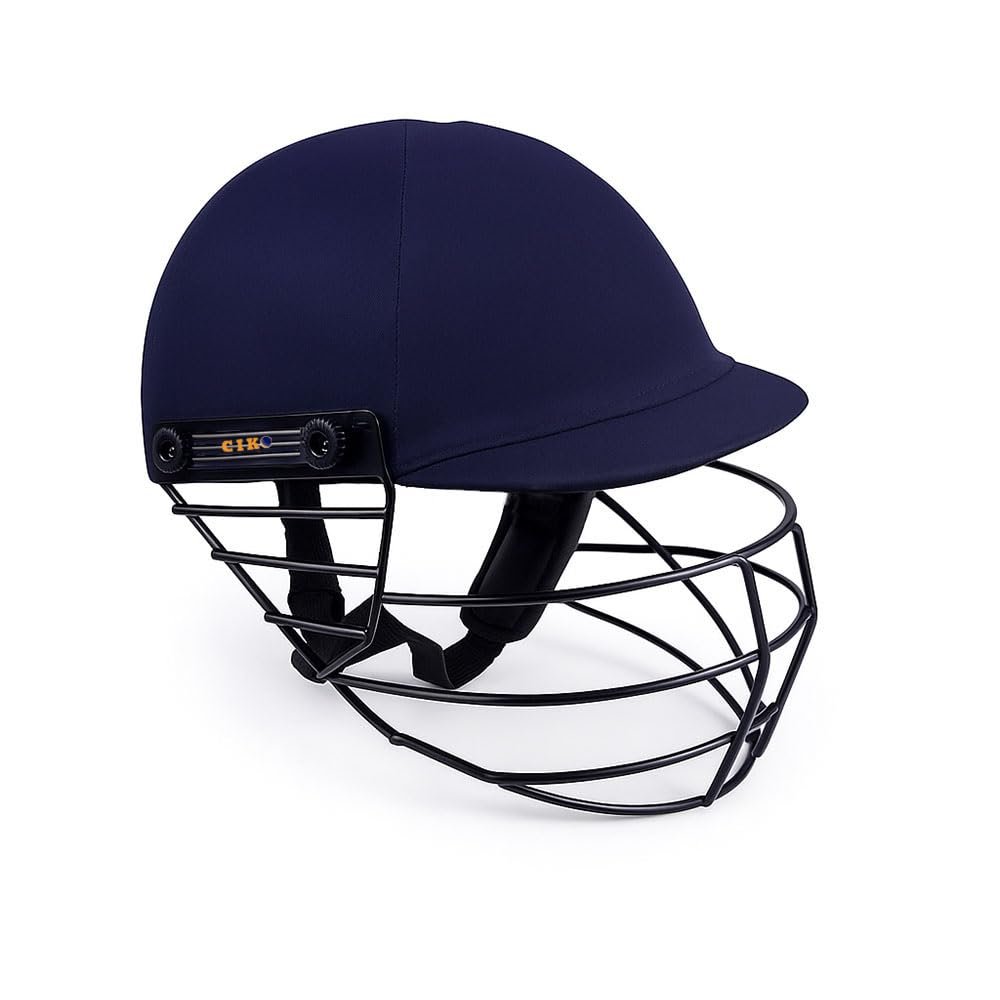
A solid entry-level cricket helmet for men that gets the basics right — adjustable steel grill, cushioned padding, and a surprisingly lightweight build for its price range. Good for beginners and casual players.
Pros:
- Very affordable — great value for the price
- Lightweight design reduces neck strain
- Adjustable grill and chin strap for a snug fit
- Sweat-absorbing inner padding keeps you comfortable
Cons:
- Not ideal for facing fast bowlers
- Build quality is basic — not meant for serious competitive play
- Limited size options
Who It’s Best For: Beginners, kids, or casual players who need a decent cricket helmet for men without spending too much.
Price: ₹495
2. Generic Sports Club Cricket Helmet
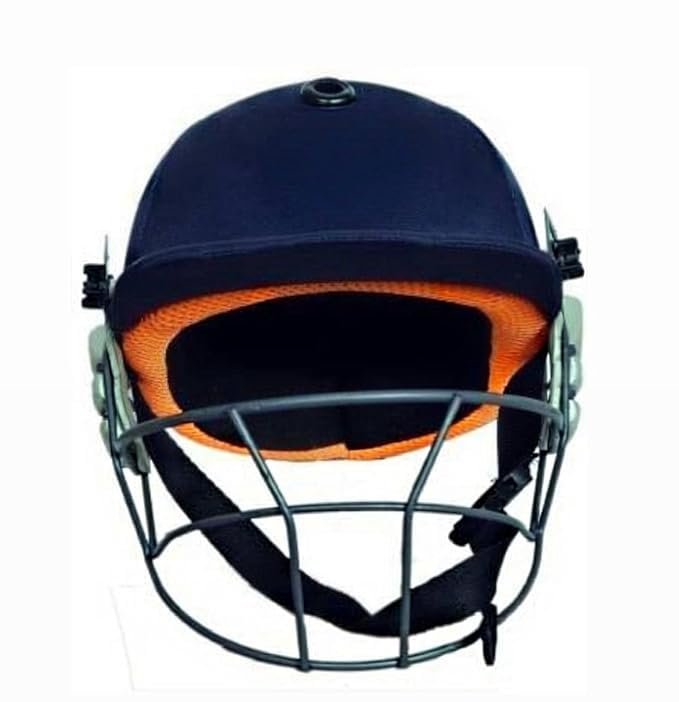
A no-frills cricket helmet for men built for club and practice sessions. It offers better cushioning and protection than the cheapest options out there, with a comfortable fit that works for both men and women.
Pros:
- Good padding and cushioning for the price
- Lightweight and comfortable for long sessions
- Adjustable strap for a better fit
- Works well for practice and club matches
Cons:
- No visor — not suitable for professional or competitive play
- Generic build; not from a specialist cricket brand
- May feel slightly loose on smaller head sizes
Who It’s Best For: Club players, weekend cricketers, or anyone looking for a solid practice helmet on a tight budget.
Price: ₹710
3. SG Cricket Helmet BLAZETECH
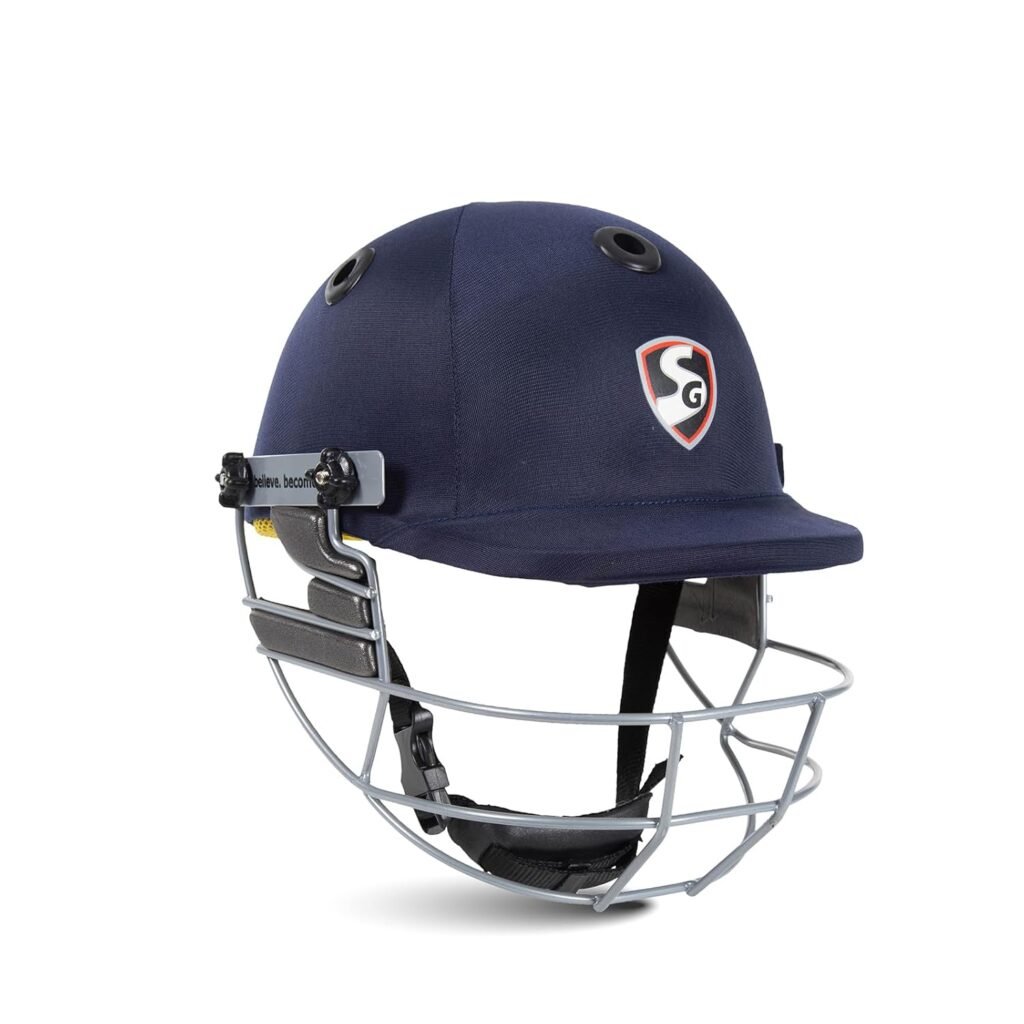
One of the most popular cricket helmets for men in India. The SG Blazetech features a polypropylene shell, EVA foam padding, and an adjustable steel grill — all packed into a lightweight 450g build. A trusted name, genuinely worth the money.
Pros:
- Lightweight at just 450g — one of the better lightweight cricket helmets in this range
- Polypropylene outer shell with excellent impact resistance
- Six ventilation points for good airflow
- Sweat-absorbing inner fabric for all-day comfort
- Fully adjustable steel grill with moulded ear piece
Cons:
- Grill may feel short for players with larger face structures
- Sizing can run slightly large — check measurements before ordering
Who It’s Best For: Beginners to intermediate players who want a reliable cricket helmet for men from a trusted Indian brand without breaking the bank.
Price: ₹1,249
4. DSC Guard Cricket Helmet for Men
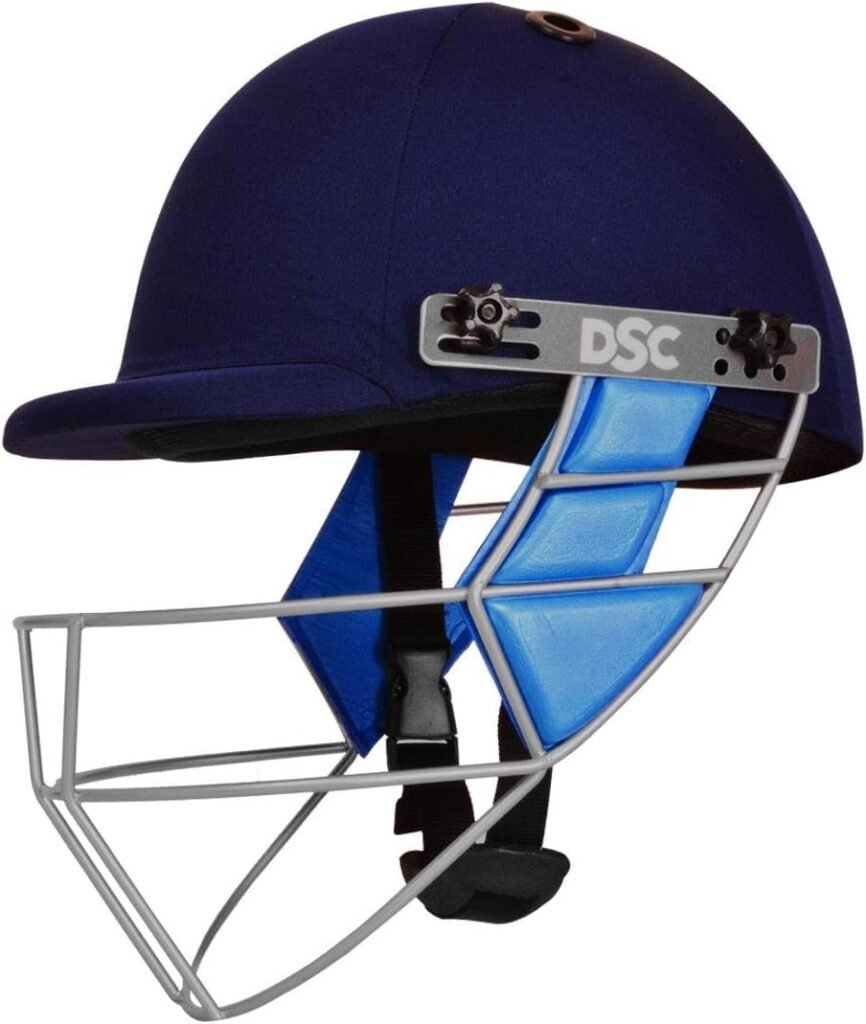
The DSC Guard is a well-built and comfortable cricket helmet for men that offers high-density EVA foam padding, an adjustable steel grill, and a lightweight polypropylene shell. A bestseller on Amazon India — and for good reason.
Pros:
- High-density EVA foam for solid impact absorption
- Removable and washable sweatband — very handy
- Adjustable back strap for a secure, personalised fit
- Lightweight and comfortable for long innings
- Good visibility through the grill
Cons:
- ABS shell, not as premium as higher-end materials
- Colour received occasionally differs from what’s ordered (per user reviews)
Who It’s Best For: Club and intermediate-level players who want reliable protection and comfort at a reasonable price. One of the best cricket helmets in this budget segment..
Price: ₹1,197 – ₹1,269
5. DSC DEFENDER Cricket Helmet for Men & Boys
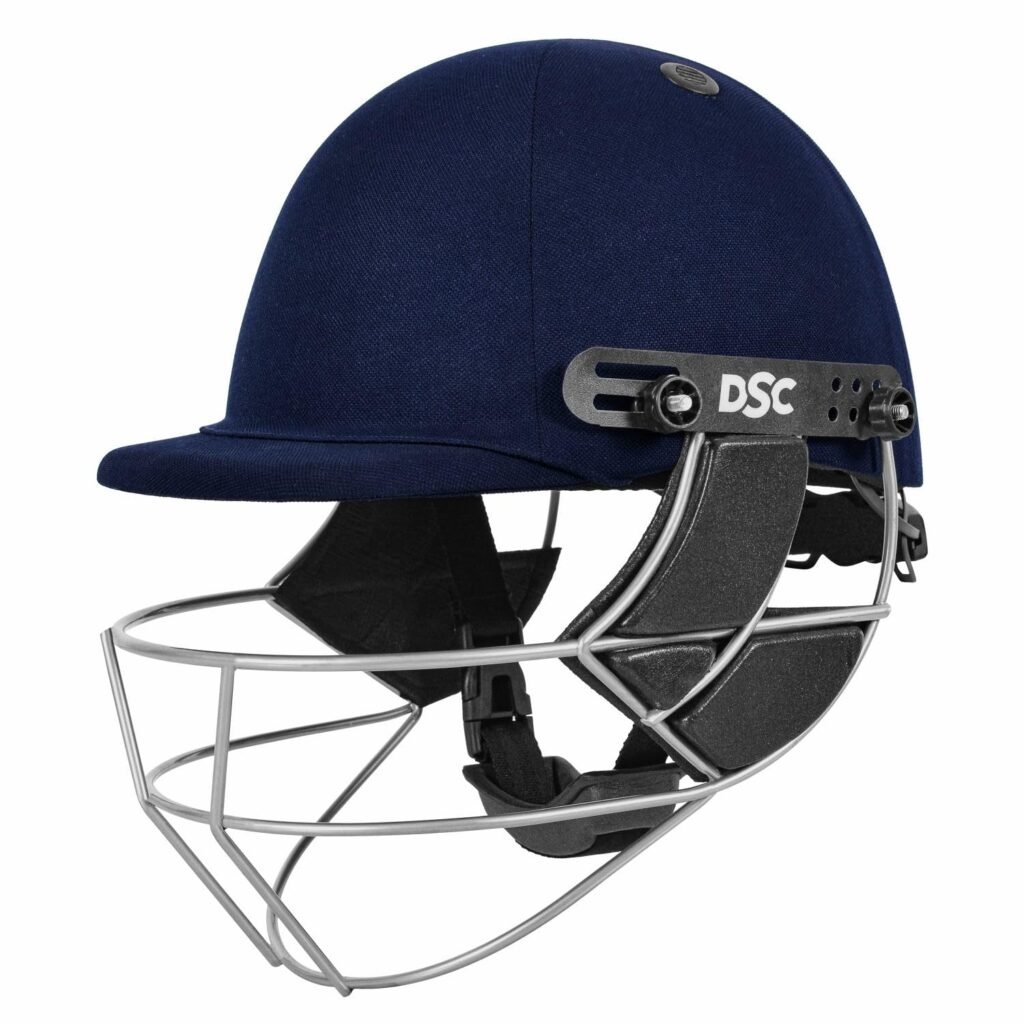
The DSC Defender steps things up with an ABS outer shell, EPS inner liner, and a titanium face guard — making it one of the more complete types of cricket helmets you’ll find under ₹2,000. Lightweight at around 720g with a contemporary design.
Pros:
- Titanium face guard — stronger and lighter than standard steel
- ABS outer shell with EPS inner liner for better impact resistance
- Breathable U-foam lining — stays dry and comfortable
- Adjustable back support strap with Velcro for a custom fit
- Extra ear protection and chin guard included
- Removable and washable sweatband
Cons:
- Slightly heavier than entry-level options at ~720g
- A few users received wrong colours — worth double-checking your order
Who It’s Best For: Serious club players and intermediate cricketers who want near-professional protection in a cricket helmet for men without paying premium prices.
Price: ₹1,799
Lightweight Cricket Helmets — Are They Worth It?
Short answer? Yes, absolutely. Here’s why that extra few hundred grams matters more than most people think.
Weight Affects More Than You Think: When you’re batting for 30, 40, or 50+ overs, a heavy helmet gradually wears you down. Your neck gets tired, your focus slips, and you start making poor decisions at the crease. Lightweight cricket helmets fix exactly this — less weight means less fatigue and a more natural feel when playing your shots.
How Modern Helmets Stay Light Without Cutting Corners: Manufacturers now use materials like high-density polypropylene and advanced EVA foam that distribute impact without adding bulk. You’re not sacrificing protection — just getting smarter construction. The SG Blazetech is a great example, coming in at just 450g while still offering solid impact resistance.
Titanium vs. Carbon Fibre — Which Is Lighter? Both beat standard steel comfortably. Carbon fibre is lighter overall, but titanium grilles are more affordable and still offer an excellent strength-to-weight ratio — making them the better choice for most club players.
Best Lightweight Picks: The SG Blazetech and DSC Guard are the top lightweight options from our list, both comfortable enough for long innings without tiring your neck.
How to Choose the Right Cricket Helmet for Men
Picking the right helmet isn’t complicated — just follow these steps and you’ll be sorted.
Step 1 — Measure Your Head: Grab a tape measure and wrap it around your forehead, just above your ears and eyebrows, all the way around the back. Note that number in centimetres — that’s your starting point for sizing.
Step 2 — Pick the Right Size: Generally, Small fits 52–54cm, Medium 54–56cm, Large 56–58cm, and XL 58–60cm. When in doubt, size up slightly rather than going too tight.
Step 3 — Choose Your Grille Type: Casual or club player? Steel grille works perfectly fine. Playing regularly at a competitive level? Go for titanium — it’s lighter and stronger.
Step 4 — Check Safety Certification: Always look for BS7928:2013 compliance. Non-negotiable, regardless of your budget.
Step 5 — Set Your Budget: ₹500–₹800 for beginners, ₹1,000–₹1,300 for club players, and ₹1,500–₹2,000 if you want something more serious.
Step 6 — Check the Size Chart: If you’re buying online, always read the brand’s size guide before ordering. Sizing can vary between brands — what’s a Medium for SG might not be the same for DSC.
Cricket Helmet Maintenance & Safety Tips
A good cricket helmet for men is only as useful as the condition it’s kept in. Here’s what you need to know:
How Long Do They Last? Most cricket helmets last around 3–5 years with regular use. But age isn’t the only factor — if the foam has flattened or the shell has taken a serious hit, replace it regardless of how old it is.
Cleaning & Storage: Wipe the shell down with a damp cloth after use and let the padding air dry. Never store it in a kit bag while it’s still sweaty — that breaks down the foam faster than you’d think.
Signs of Damage to Watch For: Check regularly for cracks in the shell, compressed or flattened inner foam, and a grille that wobbles or feels loose. Any of these means it’s time for a replacement.
After a Major Impact — Stop and Inspect: This one’s important. If your helmet takes a serious hit, don’t just carry on wearing it. The inner foam may be damaged even if it looks fine from the outside. Get it checked, or replace it.
Conclusion
At the end of the day, a cricket helmet for men isn’t just a piece of gear — it’s what lets you stand at the crease with full confidence, knowing you’re protected. The right cricket helmet for men keeps you safe, helps you focus, and genuinely improves how you play.
Don’t overthink it though. Match your choice to your level — a beginner doesn’t need a professional-grade titanium helmet, and a serious club player shouldn’t be cutting corners with a basic ₹500 option. Think about your position, how often you play, and what your budget allows.
There’s something on this list for everyone, at every price point. Take your time, check the sizing, and invest in a cricket helmet for men you’ll actually feel comfortable wearing every match.
Frequently Asked Questions
Q1. What is the best cricket helmet for men in India?
The SG Blazetech and DSC Guard are both excellent choices — reliable protection, comfortable fit, and reasonably priced for most players.
Q2. How do I know if my cricket helmet fits correctly?
It should sit snugly without moving around. The chin strap must feel secure, and the grill should never block your vision.
Q3. When should I replace my cricket helmet?
Replace it every 3–5 years, or immediately after a major impact — even if the helmet looks completely fine from outside.