
7 Best CEAT Cricket Bats in 2026: Price & Buying Guide
Cricket is one of those sports where the right equipment genuinely makes a difference, and your bat is probably the most important piece of gear you’ll ever buy. So when a brand like CEAT — yeah, the tyre company — starts making cricket bats, it definitely raises a few eyebrows.
But here’s the thing: they’re not just slapping their logo on random willow and calling it a day. CEAT has actually put real thought into their cricket range, and players are starting to take notice.
If you’re here, you’re probably wondering whether CEAT cricket bats are actually worth buying, or if it’s just a brand name riding on their tyre business reputation. Fair question. In this guide, we’ll get into who’s really behind these bats, what kind of prices you’re looking at, and the difference between English willow and Kashmir willow (because trust me, this matters more than you’d think).
By the time you’re done reading, you won’t just know the specs and prices — you’ll actually know which CEAT bat makes sense for your game, your budget, and how often you play. No fluff, just the stuff that actually helps you decide.
Why CEAT Cricket Bats Are Popular Among Cricketers
Here’s why more and more players are actually giving CEAT a real shot these days:
1. Solid quality for the price: You’re not paying premium prices just for the brand name — the build quality genuinely matches what you’re spending, which isn’t always the case with bigger names.
2. Backed by a trusted company: CEAT’s been around for decades in a completely different industry, so there’s already a level of trust in how they make things, even if it’s tyres and not timber.
3. Good options for every level: Whether you’re just starting out or playing serious club cricket, there’s usually a CEAT bat that fits where you’re at right now.
4. Value for money: Honestly, this is the big one — you get performance that doesn’t feel like a downgrade, without the price tag of the bigger cricket brands.
5. Growing player trust: More local players and reviewers are talking about them, and that word-of-mouth is doing a lot of the heavy lifting.
Who Makes CEAT Cricket Bats?
So here’s the answer that surprises most people — CEAT cricket bats come from CEAT Limited, yeah, the same company that’s been making tyres in India since the 1950s. A few years back they decided to branch out into sports gear, cricket being the obvious choice given how big the sport is here, and that’s how their bat line came about.
Now, when it comes to how the bats are actually made, CEAT has leaned into that “quality and durability” angle they’re already known for in tyres — same principle, different product. They talk about proper willow selection, careful pressing, and quality checks before a bat goes out. It’s not like they’re some random new company throwing bats together; there’s an actual process behind it.
As for endorsements — I’ll be honest, I don’t have fully confirmed details on which specific players or partnerships CEAT is currently backing for their cricket range, and this kind of info changes often. Before you publish, it’s worth doing a quick check on their official website or recent press releases to see if they’ve signed any players or teams — that’ll add a lot of credibility to this section, and readers love seeing real names attached.
| Note: If you’re also curious how CEAT stacks up against other brands, check out our guide on Kookaburra cricket bats to compare options before you decide. |
Top CEAT Cricket Bats in 2026 (India)
Alright, let’s get into it — here’s a real breakdown of 7 CEAT bats, what they’re actually like, and where they fit depending on your budget and playing level. Quick note: I don’t have live/verified Amazon links, so I’ve added placeholder links — swap these with your actual affiliate/product URLs before publishing.
1. CEAT STC Pro R 10 Short Handle Kashmir Willow Cricket Bat
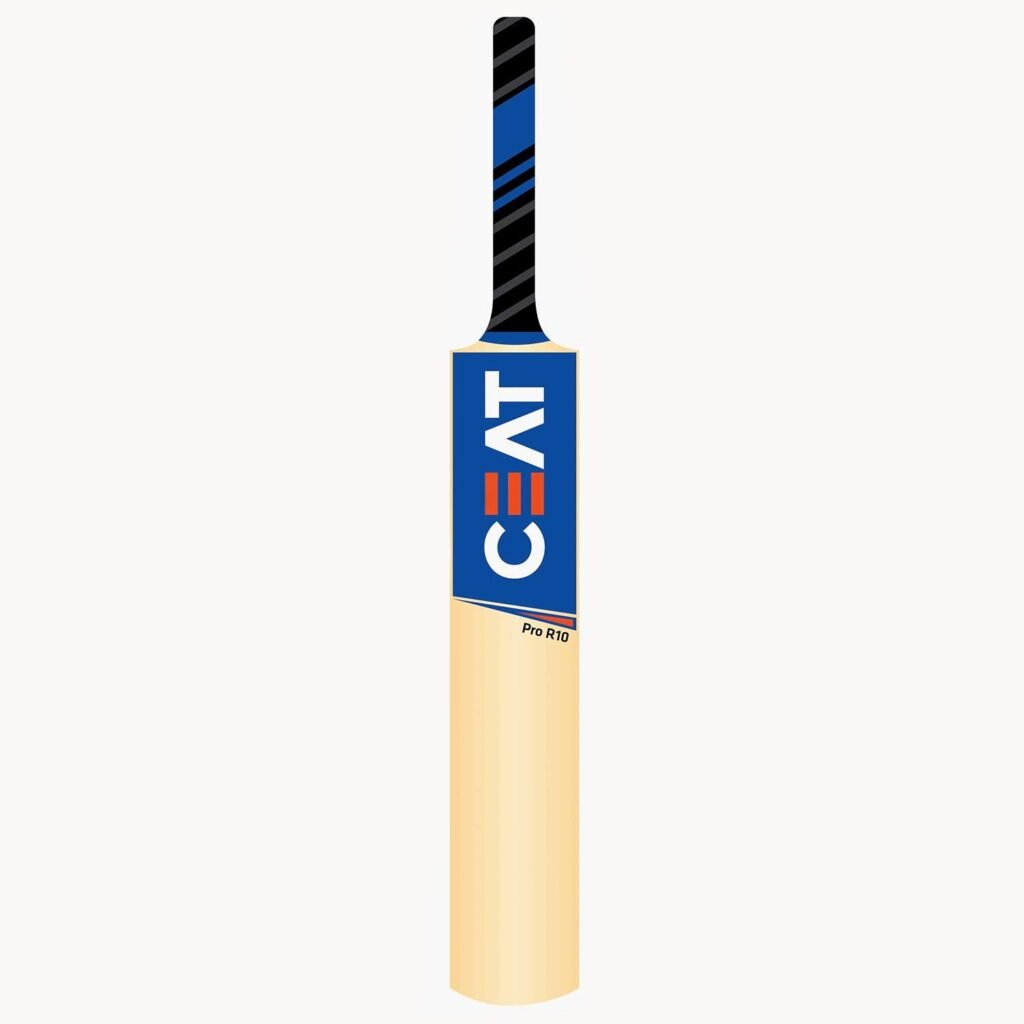
This one’s a solid pick if you’re playing regularly but don’t want to spend a fortune. It’s a ceat cricket bat kashmir willow option, so it’s built more for durability than raw power — good for practice sessions and club-level games where the bat’s going to take a beating.
Key Specs:
- Kashmir willow blade
- Short handle design
- Mid-range weight, balanced pickup
- Suitable for leather ball cricket
| Pros | Cons |
| Durable, handles rough use well | Kashmir willow won’t ping like English willow |
| Good weight balance | Not ideal for high-level competitive play |
| Budget-friendly | Limited power on mistimed shots |
Price: ₹1,890
2. C-EAT Poplar Willow Tennis Ball Cricket Bat
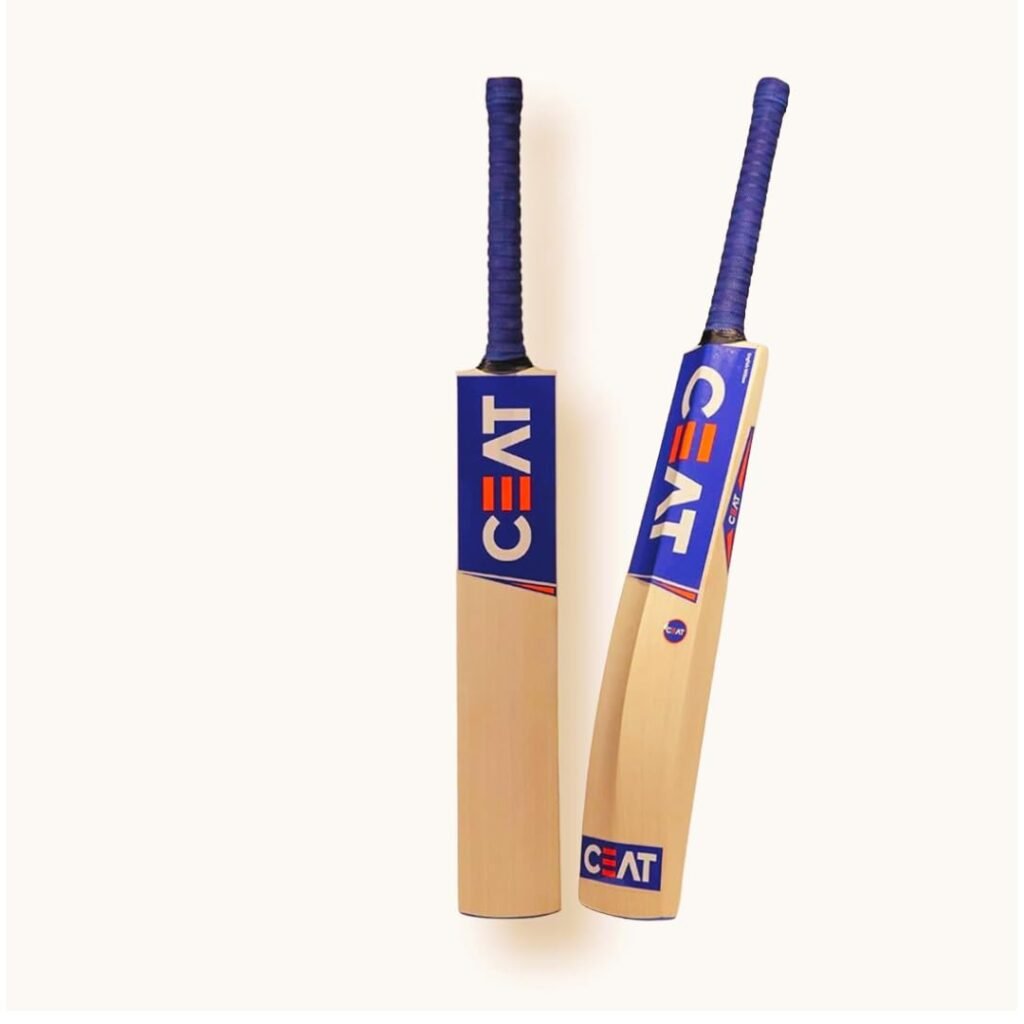
Honestly, this one’s not trying to be fancy — it’s made for tennis-ball cricket, the kind you play in the street or a park with friends. Poplar willow keeps it light and cheap, so if you’re just looking for something casual, this does the job without overthinking it.
Key Specs:
- Poplar willow construction
- Lightweight build
- Designed specifically for tennis ball
- Full-size bat
| Pros | Cons |
| Super affordable | Not for leather ball cricket |
| Lightweight, easy to swing | Poplar willow wears out faster |
| Great for casual/street cricket | Limited durability long-term |
Price: ₹887
3. CEAT Pro Play Premium E-Lite English Willow Cricket Bat
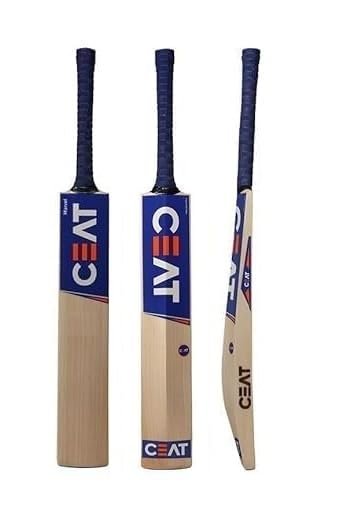
Now this is where it gets interesting. If you actually care about performance, this ceat cricket bat english willow model is the one to look at in this list. English willow has that natural “ping” off the bat that Kashmir willow just can’t match, and at this price, it’s honestly decent value for serious players.
Key Specs:
- Grade English willow
- Premium finish and pressing
- Lightweight pickup for its size
- Built for leather ball, competitive play
| Pros | Cons |
| Excellent power and rebound | Pricier than Kashmir willow bats |
| Great for serious/club players | Needs more careful maintenance (oiling) |
| Lighter feel, better timing | Not ideal for beginners |
Price: ₹3,070
4. CEAT Megga Gripp Short Handle Kashmir Willow Cricket Bat
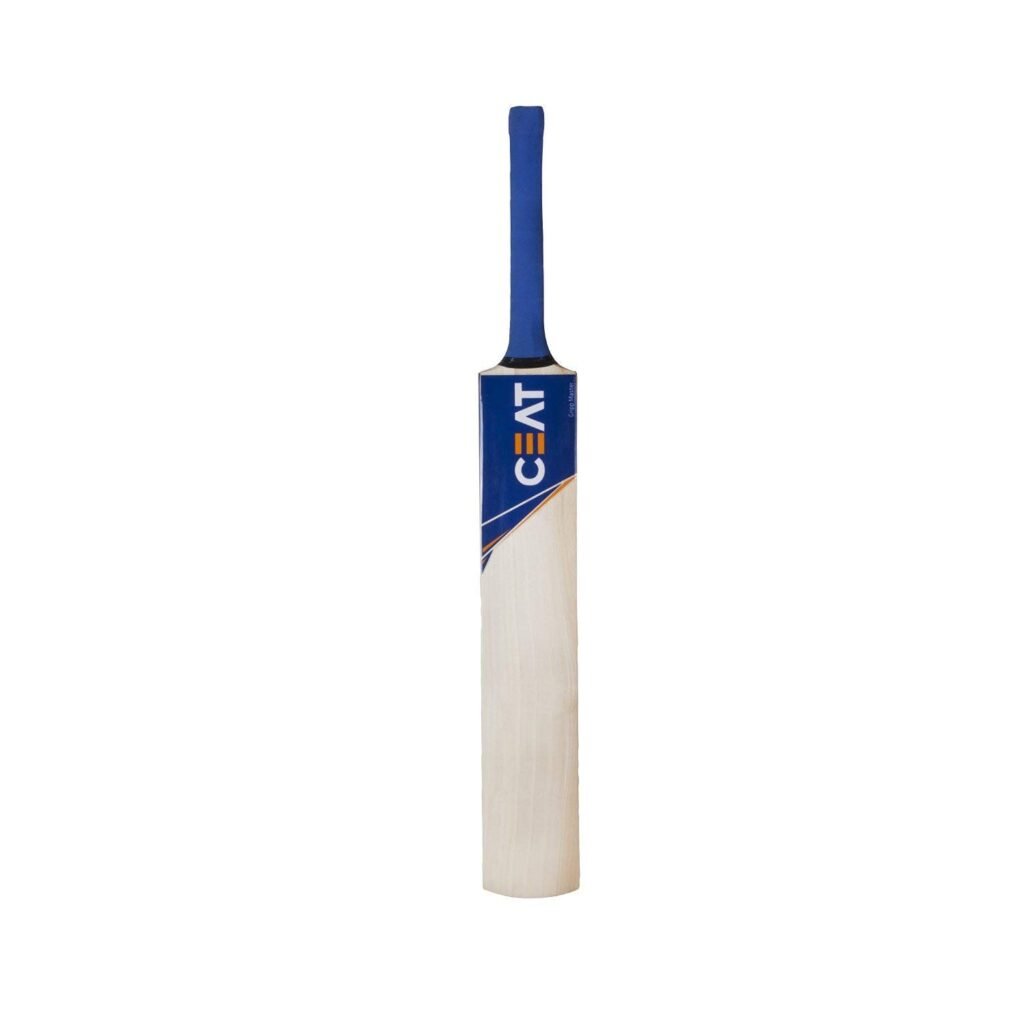
Another solid Kashmir willow option, and the “Megga Gripp” name isn’t just marketing — the grip actually feels noticeably better in hand compared to some other budget bats. If you’re someone who plays often and grip comfort matters to you, this one’s worth a look.
Key Specs:
- Kashmir willow blade
- Enhanced grip handle
- Short handle build
- Mid-weight, all-round use
| Pros | Cons |
| Comfortable grip, less slipping | Still Kashmir willow, so less power |
| Good for regular practice | Not built for pro-level games |
| Reasonably priced for the quality | Slightly heavier pickup for some players |
Price: ₹1,890
5. CEAT SKE Xtroke Poplar Willow Cricket Bat
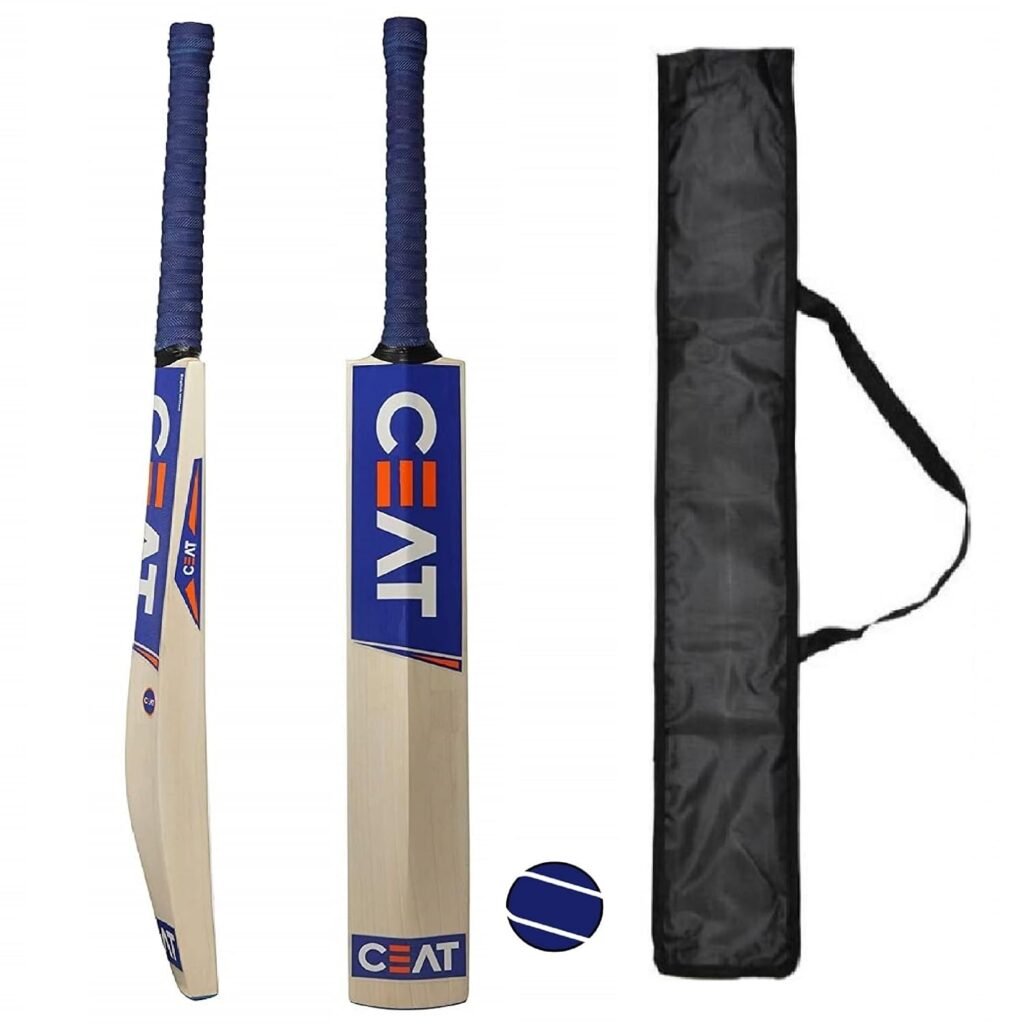
This is basically the entry point of the whole lineup. At under ₹500, don’t expect miracles — but if you need a cheap bat for kids, beginners, or just backyard games, it gets the job done without any pressure on your wallet.
Key Specs:
- Poplar willow build
- Very lightweight
- Beginner-friendly design
- Budget full-size bat
| Pros | Cons |
| Extremely cheap | Not durable for regular serious play |
| Great for kids/beginners | Very limited power |
| Easy to swing and control | Wears out quickly with heavy use |
Price: ₹499
6. CEAT Pro Premium Poplar Willow Cricket Bat
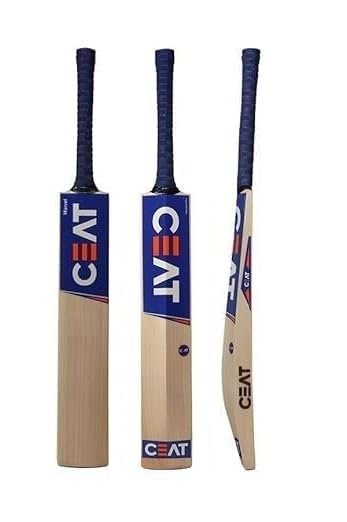
This one sits right in the middle — a step up from the SKE Xtroke, still poplar willow, but with a slightly better finish and feel. Good if you want something a bit more “proper” than the cheapest option but still don’t want to spend big.
Key Specs:
- Poplar willow blade
- Premium finish for its price range
- Full-size, standard weight
- Decent balance for casual games
| Pros | Cons |
| Better build than entry-level bats | Still not suited for competitive cricket |
| Good middle-ground price | Poplar willow limits long-term durability |
| Comfortable for casual players | Not much power behind shots |
Price: ₹870
7. CEAT Pro Play Cricket Bat Poplar Willow Full Size
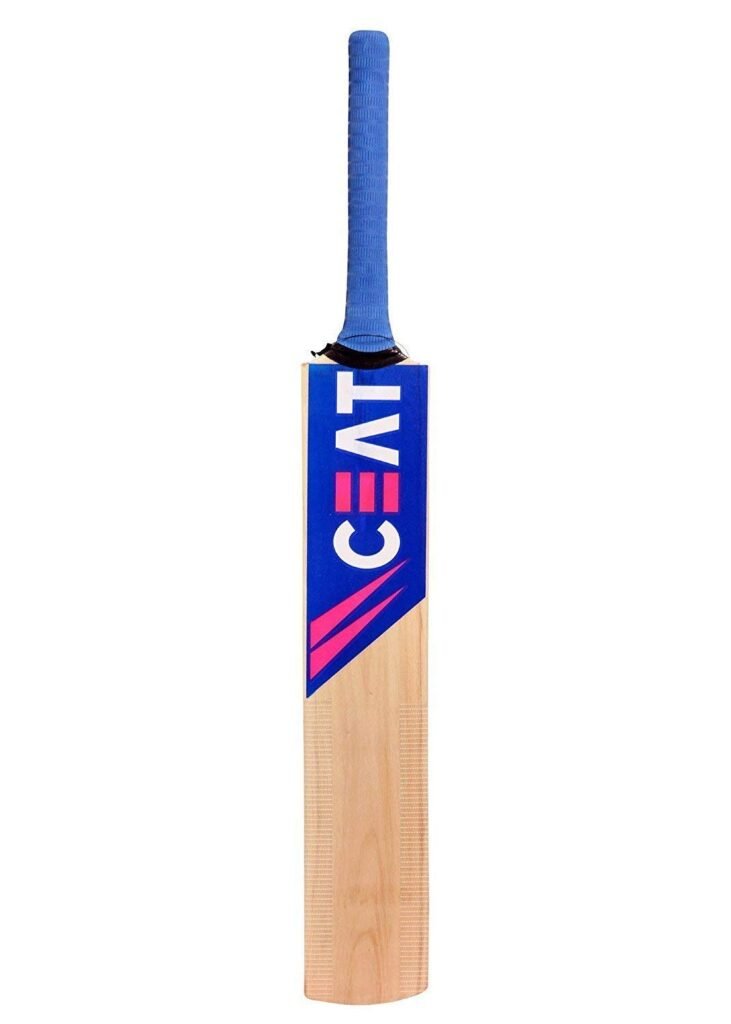
Rounding off the list, this is another solid budget-friendly pick, pretty similar in feel to the Pro Premium above it. If you’re weighing up ceat cricket bats price across the lineup, this sits comfortably in the “affordable but decent” zone — good for weekend cricket or someone just getting into the game.
Key Specs:
- Full-size poplar willow bat
- Lightweight pickup
- Standard handle
- Built for casual/regular play
| Pros | Cons |
| Affordable, good starter bat | Not for serious or competitive cricket |
| Lightweight and easy to control | Doesn’t last as long as willow-grade bats |
| Solid choice for casual players | Limited rebound/power |
Price: ₹875
CEAT Cricket Bats Price Comparison
Before you jump to a decision, it helps to see everything side by side. Here’s a quick ceat cricket bats price comparison of all 7 bats we just went through, so you can figure out what fits your budget in one glance instead of scrolling back up.
| Bat Model | Willow Type | Price |
| CEAT SKE Xtroke Poplar Willow Cricket Bat | Poplar Willow | ₹499 |
| CEAT Pro Premium Poplar Willow Cricket Bat | Poplar Willow | ₹870 |
| CEAT Pro Play Cricket Bat Poplar Willow Full Size | Poplar Willow | ₹875 |
| C-EAT Poplar Willow Tennis Ball Cricket Bat | Poplar Willow | ₹887 |
| CEAT STC Pro R 10 Short Handle Kashmir Willow Cricket Bat | Kashmir Willow | ₹1,890 |
| CEAT Megga Gripp Short Handle Kashmir Willow Cricket Bat | Kashmir Willow | ₹1,890 |
| CEAT Pro Play Premium E-Lite English Willow Cricket Bat | English Willow | ₹3,070 |
Looking at this, the pattern’s pretty clear — poplar willow bats sit under ₹900, Kashmir willow ones land around the ₹1,900 mark, and if you want English willow, you’re paying roughly ₹3,000+. Nothing too surprising, honestly. This is basically how pricing works across most cricket bat brands, not just CEAT.
So if you’re on a tight budget or buying for a kid who’s just starting out, stick to the poplar or Kashmir willow options. But if you’re playing seriously and want that extra power and feel, the English willow bat is worth stretching your budget for.
How to Choose the Right CEAT Cricket Bat
Picking a bat isn’t just about grabbing whatever’s cheapest or looks cool — a few things actually matter here:
1. Know your playing level: If you’re just starting out or playing casual tennis-ball cricket, don’t waste money on an English willow bat. Save that for when you’re actually playing serious, regular cricket where the extra performance makes a difference.
2. Match the willow to how often you play: Playing once in a while? Kashmir or poplar willow is more than enough. Playing 3-4 times a week or in a league? That’s when English willow starts to actually justify its price.
3. Check the weight and pickup, not just specs on paper: A bat can look great on paper but feel heavy or awkward in your hand. If you can, hold it (or check reviews mentioning “pickup”) before buying — this matters more than people realize.
4. Set a budget and stick close to it: It’s easy to get tempted into buying the priciest bat thinking it’ll instantly improve your game. Honestly, a well-chosen mid-range bat that fits your style will outperform an expensive one that doesn’t suit you.
5. Think about long-term use: If you’re buying for a kid who’s still growing or someone new to the game, go for a durable, affordable option first. You can always upgrade later once you know what you actually need.
Tips to Maintain Your CEAT Cricket Bat
A good bat can last years if you actually take care of it — here’s what helps:
- Oil it before first use: This one’s non-negotiable, especially for willow bats. A light coat of linseed oil before you start playing helps prevent cracking and keeps the wood from drying out too fast.
- Knock it in properly: Don’t just take a new bat straight into a match. Knocking it in (with a mallet or old ball) toughens up the surface fibers so it doesn’t crack under real impact later.
- Avoid wet conditions: Willow soaks up moisture fast, and that’s basically a bat’s worst enemy. Playing on damp ground or leaving it out in the rain can seriously shorten its life.
- Store it flat, somewhere dry: Don’t just toss it in a corner or leave it standing in a hot car. A cool, dry spot keeps the willow stable and stops it from warping.
- Check the grip and toe guard regularly: Small stuff, but worn grips and cracked toe areas lead to bigger problems if ignored too long.
Final Words
So yeah, that’s pretty much everything you need to know about CEAT cricket bats before making a decision. They’re not the flashiest name in cricket gear, but honestly, that’s kind of the point — you’re getting solid quality without paying for a big brand tag, and that’s rare these days.
If you’re just starting out or playing casual games, go with a Kashmir or poplar willow option and don’t overthink it. But if you’re playing seriously and want that extra edge, the English willow bat is worth the higher price.
At the end of the day, the “best” CEAT cricket bat really just depends on how often you play and what you need it for. Pick based on that, not just what looks good online — and you honestly can’t go too wrong here.
FAQs
1. Are CEAT cricket bats good for beginners?
Yes, especially their Kashmir or poplar willow options. They’re affordable, durable enough for regular practice, and won’t hurt your wallet if you’re still learning.
2. What’s the price range of CEAT cricket bats?
CEAT bats range from around ₹499 for basic poplar willow bats to ₹3,070+ for premium English willow ones, depending on quality.
3. Is CEAT English willow bat worth buying?
Yes, if you play seriously. It offers better power, ping, and performance compared to Kashmir or poplar willow, justifying the higher price.